




If you spend an hour mowing your lawn every weekend, you probably think more about keeping the grass healthy than protecting your hearing. But that familiar engine noise can be louder than many people realize and potentially damaging to your long-term hearing.
Most gas-powered lawn mowers produce between 85 and 95 decibels (dB) at the operator's ear, right at the point where prolonged exposure can begin damaging your hearing. Riding mowers, zero-turn mowers, leaf blowers, and chainsaws are often even louder.
The good news is that you don't have to choose between protecting your hearing and staying aware of your surroundings. Electronic hearing protection reduces harmful noise while still allowing you to hear conversations, traffic, warning sounds, and even your favorite podcast.
In this guide, we'll explain how loud common lawn equipment really is, when hearing protection is recommended, and why electronic hearing protection has become one of the best options for homeowners and lawn care professionals alike.
Quick Decision
If you're wondering whether you need hearing protection, here's the short answer:
| Equipment | Wear Hearing Protection? |
|---|---|
| Gas push mower | Yes |
| Riding mower | Yes |
| Zero-turn mower | Yes |
| Leaf blower | Yes |
| Chainsaw | Absolutely |
| Battery mower | Usually for longer sessions or when used alongside other loud equipment |
If your yard work regularly includes more than just mowing, quality hearing protection is a smart investment.
Quick Recommendations

How Loud Is a Lawn Mower?
One of the most common questions homeowners ask is:
How many decibels is a lawn mower?
The answer depends on the type of mower, but most gas-powered models operate at levels where repeated exposure can contribute to permanent hearing damage.
Lawn Equipment Noise Levels
| Equipment | Typical Noise Level | Hearing Protection Recommended? |
|---|---|---|
| Battery mower | 75–85 dB | Sometimes |
| Gas push mower | 85–95 dB | Yes |
| Riding mower | 90–100 dB | Yes |
| Zero-turn mower | 90–100+ dB | Yes |
| Leaf blower | 90–105 dB | Yes |
| String trimmer | 90–100 dB | Yes |
| Chainsaw | 105–115 dB | Absolutely |
These numbers are approximate, but they illustrate an important point: many of the tools homeowners use every weekend operate at or above the 85 dB threshold where hearing protection becomes increasingly important during extended exposure.
Keep in mind that manufacturers often measure sound several feet away from the equipment. As the operator, you're much closer to the engine, so the noise reaching your ears may be even greater.
Why 85 dB Matters
Noise exposure isn't just about how loud something is, it's also about how long you're exposed to it.
As sound levels increase, the amount of time you can safely remain exposed decreases significantly.
*Approximate guidance based on commonly referenced occupational noise exposure recommendations.
A typical Saturday might include:
- 45 minutes mowing
- 20 minutes trimming
- 20 minutes blowing leaves
Each task contributes to your total daily noise exposure.
For professional landscapers, those hours multiply quickly, making hearing protection just as important as protective work gloves or safety glasses.
Do You Really Need Hearing Protection?
For most gas-powered lawn equipment, the answer is yes.
Unlike broken bones or even cuts, noise-induced hearing loss happens gradually. You may not notice any changes for years, but repeated exposure to loud equipment can permanently damage the delicate structures inside your inner ear.
Many people first experience:
- Ringing or buzzing in the ears (tinnitus)
- Difficulty hearing conversations in noisy environments
- Trouble understanding higher-pitched voices
- Frequently asking people to repeat themselves
Once hearing damage occurs, it is irreversible.
The goal isn't to avoid every loud sound, it's to reduce repeated exposure before permanent damage develops.
What About Battery-Powered Mowers?
Battery mowers are generally quieter than gas models, often operating between 75 and 85 dB.
For a quick mow with a quieter electric mower, hearing protection may not be necessary for everyone.
However, protection is still worth considering if you:
- Mow for an hour or more
- Maintain large properties
- Use a trimmer or leaf blower afterward
- Already experience tinnitus or hearing loss
Being honest about this distinction builds trust. Not every mower presents the same level of risk, but many homeowners use several loud tools during the same yard work session.
Why Electronic Hearing Protection Is the Best Choice
Traditional foam earplugs reduce noise effectively, but they also block the sounds you often need to hear, like someone calling your name, a child playing nearby, or a vehicle pulling into the driveway.
Electronic hearing protection offers a smarter solution.
Using built-in microphones, it allows everyday sounds to remain audible while reducing loud, potentially harmful noise from equipment like lawn mowers, leaf blowers, and chainsaws.
That means you can:
- Protect your hearing from prolonged engine noise
- Hear conversations and warning sounds
- Stay aware of your surroundings
- Listen to music or podcasts at comfortable volumes
For many homeowners, this balance between protection and awareness is what finally makes hearing protection practical enough to wear every time they mow.
Why Choose AXIL?
Whether you prefer earbuds or earmuffs, AXIL offers electronic hearing protection designed to help reduce harmful noise without disconnecting you from the environment around you.
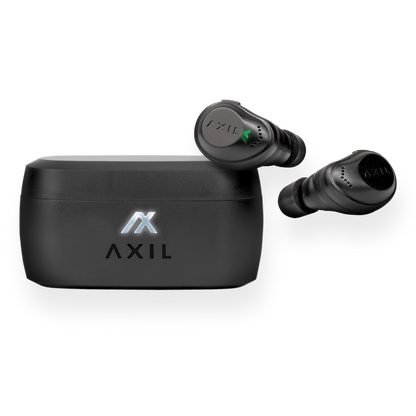
AXIL XCOR Pro
XCOR Pro is ideal for homeowners who want lightweight, comfortable protection during mowing, trimming, and leaf blowing. Its in-ear design works well with hats, sunglasses, and other outdoor gear, making it a great choice for warm-weather yard work and long mowing sessions.
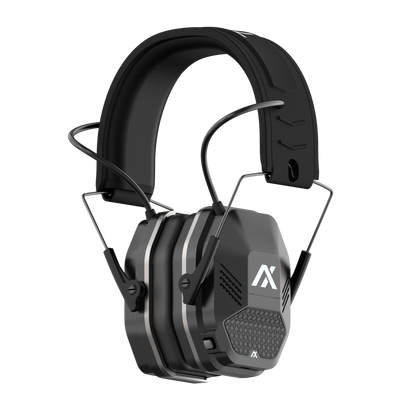
AXIL MX Pro
MX Pro is the better option for users who prefer traditional electronic earmuffs or regularly operate louder equipment such as zero-turn mowers and chainsaws. It provides robust protection while maintaining situational awareness through electronic sound enhancement.
AXIL XCOR Pro vs. MX Pro
| Feature | XCOR Pro | MX Pro |
|---|---|---|
| Hot-weather comfort | ★★★★★ | ★★★☆☆ |
| Works with hats & glasses | ★★★★★ | ★★★☆☆ |
| Maximum protection | ★★★★☆ | ★★★★★ |
| Chainsaw work | ★★★★☆ | ★★★★★ |
| Long mowing sessions | ★★★★★ | ★★★★★ |
For most homeowners, the choice comes down to personal preference. If you like lightweight in-ear protection, XCOR Pro is an excellent fit. If you prefer the feel of electronic earmuffs or frequently use the loudest outdoor equipment, MX Pro is a strong choice.
Can You Wear AirPods While Mowing?
If you enjoy listening to music or podcasts while doing yard work, you may wonder whether your AirPods or noise-canceling headphones provide enough protection on their own.
The short answer is no.
While Active Noise Cancellation (ANC) can make a lawn mower sound quieter, it isn't the same as certified hearing protection. Consumer earbuds are designed for entertainment, not for reducing hazardous noise exposure.
Another common problem is volume. As mower noise increases, many people instinctively turn their music up to hear it better. That means your ears are exposed to both engine noise and louder audio at the same time.
Electronic hearing protection works differently. Instead of trying to overpower engine noise, it reduces harmful sounds first, allowing you to listen to music or podcasts at a safer, more comfortable volume.
If you'd like to learn more, read our guide on Noise Cancellation vs. Hearing Protection.

Other Yard Equipment That Can Damage Your Hearing
Your lawn mower is only one source of noise around the yard. Many outdoor power tools operate at similar—or even higher—sound levels.
Leaf Blowers
Leaf blowers typically produce 90–105 dB, and backpack models can be even louder because the engine sits close to your ears. If you're blowing leaves after mowing, your total daily noise exposure increases significantly.
String Trimmers and Edgers
Most string trimmers operate between 90 and 100 dB. While they're smaller than lawn mowers, their higher-pitched sound can become fatiguing during extended use.
Chainsaws
Chainsaws commonly produce 105–115 dB, making hearing protection essential—even for quick cleanup after a storm.
Riding and Zero-Turn Mowers
Larger engines often mean more noise. Commercial landscapers and homeowners with large properties can spend hours at a time operating riding equipment, making consistent hearing protection especially important.
The good news is that one quality set of electronic hearing protection can be used across nearly every outdoor task, from mowing and trimming to leaf blowing and chainsaw work.
Frequently Asked Questions
How loud is a lawn mower?
Most gas-powered lawn mowers produce 85–95 dB at the operator's position. Riding and zero-turn mowers often reach 90–100 dB, while battery-powered mowers typically operate between 75 and 85 dB.
Do electric lawn mowers require hearing protection?
Not always. Quieter battery-powered mowers used for short periods may not require hearing protection for everyone. However, longer mowing sessions or combining multiple loud tools can increase your overall noise exposure, making hearing protection a smart choice.
Can I wear AirPods while mowing?
AirPods and other consumer earbuds aren't designed to protect your hearing from hazardous noise. If you want to listen to music while mowing, electronic hearing protection offers a safer alternative by reducing harmful noise while allowing you to enjoy your audio.
What's the best hearing protection for mowing?
Electronic hearing protection is an excellent choice because it helps reduce harmful noise while allowing you to remain aware of your surroundings.
For most homeowners:
- AXIL XCOR Pro is ideal if you prefer lightweight electronic earbuds.
- AXIL MX Pro is a great option if you want the feel and protection of electronic earmuffs.
Do I need hearing protection for a leaf blower?
Yes. Most leaf blowers produce 90–105 dB, which is loud enough that hearing protection is recommended, especially during extended use or when combined with other outdoor power equipment.
Protect Your Hearing Every Time You Mow
Mowing the lawn may feel like a routine weekend chore, but the noise generated by lawn equipment can add up over time. Gas-powered mowers, leaf blowers, trimmers, and chainsaws all operate at levels capable of contributing to permanent hearing damage with repeated exposure.
The good news is that protecting your hearing doesn't have to mean shutting yourself off from the world around you. Electronic hearing protection helps reduce harmful noise while allowing you to stay aware of your surroundings, communicate with others, and even enjoy music or podcasts during yard work.
Whether you're maintaining your own lawn or spending every day on a landscaping crew, wearing hearing protection is one of the simplest steps you can take to protect your long-term hearing health.
If you're ready to upgrade your yard work routine, explore AXIL XCOR Pro electronic earbuds for lightweight comfort or AXIL MX Pro electronic earmuffs for maximum protection around louder equipment. Both are designed to help you work more comfortably while protecting one of your most valuable senses.
Related Articles
Continue learning about hearing protection with these helpful resources:
- What Makes the Best Hearing Protection for Lawn Care – Learn how to choose the right hearing protection for mowing and landscaping.
- Noise Cancellation vs. Hearing Protection – Discover why active noise cancellation isn't the same as certified hearing protection.
- How Many Decibels Is a Gunshot? – Compare lawn equipment noise with some of the loudest sounds people encounter.
- Best Hearing Protection for Construction Workers – Explore hearing protection recommendations for power tools and other high-noise environments.



Share:
Best Hearing Protection for Fireworks: Adults, Kids, Babies and Dogs
Best Electronic Hearing Protection for Hunting: What to Run by Hunt Type